
Sahal Wallet Brings Halal Crypto and Web3 Tools Together
Sahal Wallet combines halal crypto, self-custody, and multi-chain features to help users manage digital assets while exploring Shariah-compliant Web3 solutions.
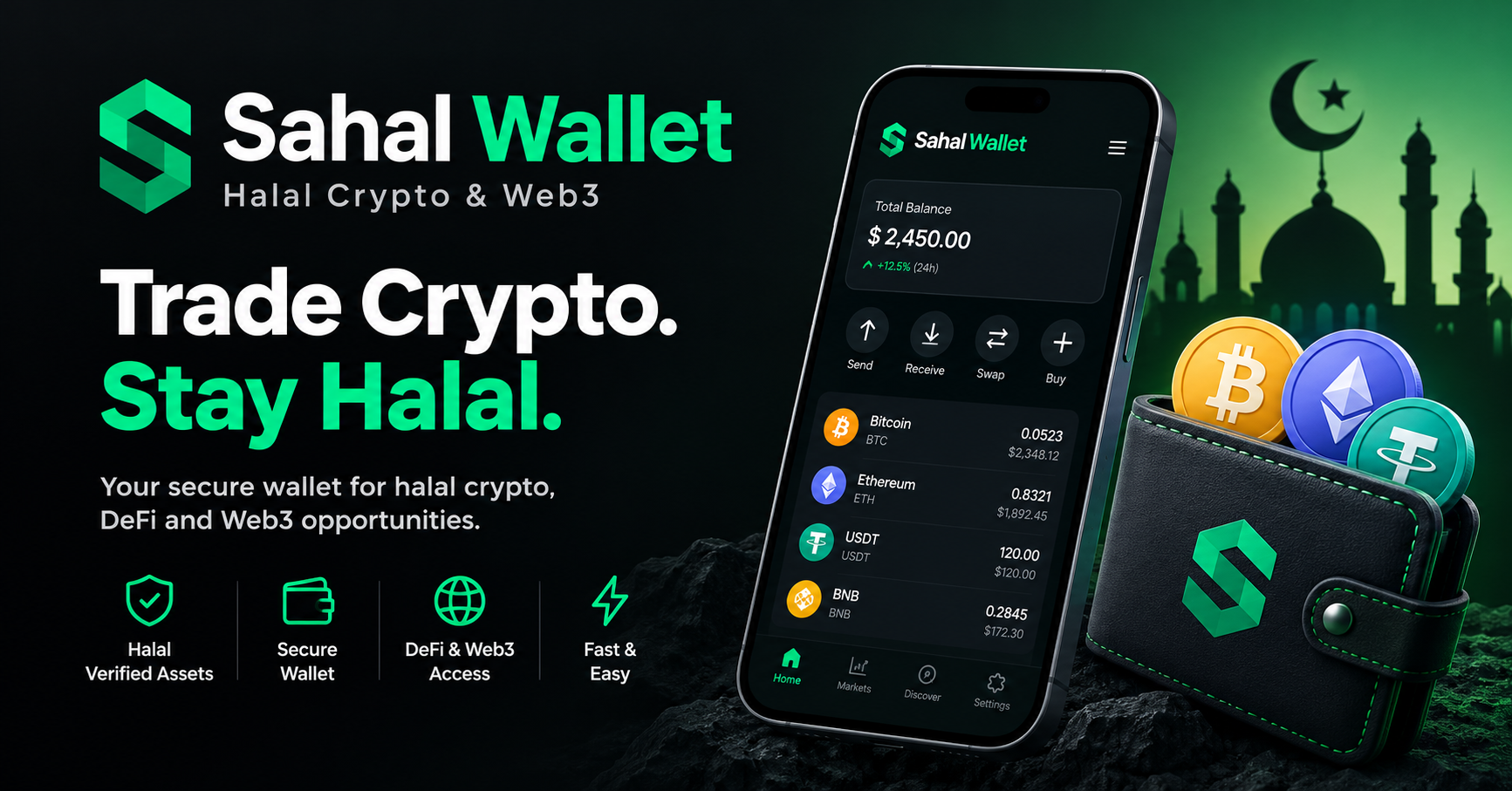
Cryptocurrency offers new ways to manage and transfer money, but for Muslim users, there is another question to consider: does a digital asset align with Islamic finance principles?
Sahal Wallet aims to address this concern by bringing crypto wallet features and Shariah-focused digital asset discovery into one platform. The project combines everyday crypto tools with an emphasis on helping users explore digital assets in line with their financial values.
As interest in halal investing and blockchain technology continues to develop, platforms such as Sahal Wallet are looking to make the Web3 space more accessible to people seeking an ethical approach to digital finance.
What Is Sahal Wallet?
Sahal Wallet is a cryptocurrency wallet designed for users interested in halal digital assets and Web3. It provides tools for managing supported cryptocurrencies while offering an entry point into the wider blockchain ecosystem.
The wallet focuses on practical features, including sending and receiving crypto, swapping supported tokens, and accessing compatible blockchain networks.
For people who are new to crypto, having these tools in one place can make it easier to get familiar with digital assets without having to navigate several different platforms.
Why Halal Crypto Is Getting Attention
Islamic finance places importance on principles such as avoiding riba (interest), excessive uncertainty, and prohibited business activities. Applying these principles to cryptocurrency can be complicated because digital assets differ significantly in their purpose, structure, and use.
Some tokens support blockchain infrastructure, while others represent financial products, speculative projects, or digital services. As a result, evaluating whether a particular asset is Shariah-compliant requires more than looking at its price or popularity.
Sahal Wallet focuses on Shariah-screened digital assets, giving users a way to explore crypto with Islamic finance considerations in mind. Users should still review the available screening methodology and seek qualified advice when assessing whether an asset meets their individual requirements.
Crypto Management Without Unnecessary Complexity
Buying or holding cryptocurrency is only one part of using digital assets. Users may also need to transfer tokens, exchange assets, or interact with different blockchain networks.
Sahal Wallet brings several of these activities together through its wallet features. Depending on the supported asset and network, users can manage their holdings, send and receive tokens, and swap compatible cryptocurrencies.
Multi-chain access can also be useful for people who hold assets across different blockchain ecosystems. However, network compatibility matters, and users should always confirm the destination network before making a transfer.
Self-Custody Puts Users in Control
One important aspect of Sahal Wallet is its focus on self-custody.
With a non-custodial wallet, users retain control of their private keys rather than relying on a central platform to hold their assets on their behalf. This offers greater direct control, but it also means users must take responsibility for wallet security.
Losing a recovery phrase can result in losing access to funds. For this reason, users should store recovery information securely, avoid sharing it online, and verify transaction details before approving transfers.
Self-custody is not a guarantee against scams or technical risks, so understanding basic crypto security remains essential.
What This Means for the Halal Web3 Ecosystem
The development of halal-focused crypto tools reflects a broader effort to connect blockchain technology with ethical financial practices.
For this space to grow responsibly, users need clear information about digital assets, transparent screening processes, and an honest explanation of the risks involved. Shariah screening can help people evaluate assets, but it does not guarantee profitability or eliminate the volatility associated with cryptocurrency.
Wallets that make these considerations easier to explore may help more users understand how blockchain technology fits their personal financial preferences.
Getting Started With Sahal Wallet
Users interested in exploring the platform can visit the official Sahal Wallet website to learn about its features and available services.
Before transferring funds, check the supported networks, review the details of any token you intend to use, and make sure you understand the wallet's security and recovery process.
As with any cryptocurrency product, only commit funds you can afford to lose and conduct your own research before making financial decisions.
Final Thoughts
Sahal Wallet brings crypto management and a focus on Shariah-screened digital assets into one wallet experience. Its combination of self-custody and multi-chain functionality offers users a way to explore Web3 while considering their Islamic finance preferences.
The wider opportunity for halal crypto will depend on transparency, reliable screening practices, and users having the information they need to make informed decisions.
Learn more: Visit Sahal Wallet for information about the platform and its features.